Why should employees have to think like the enterprise?
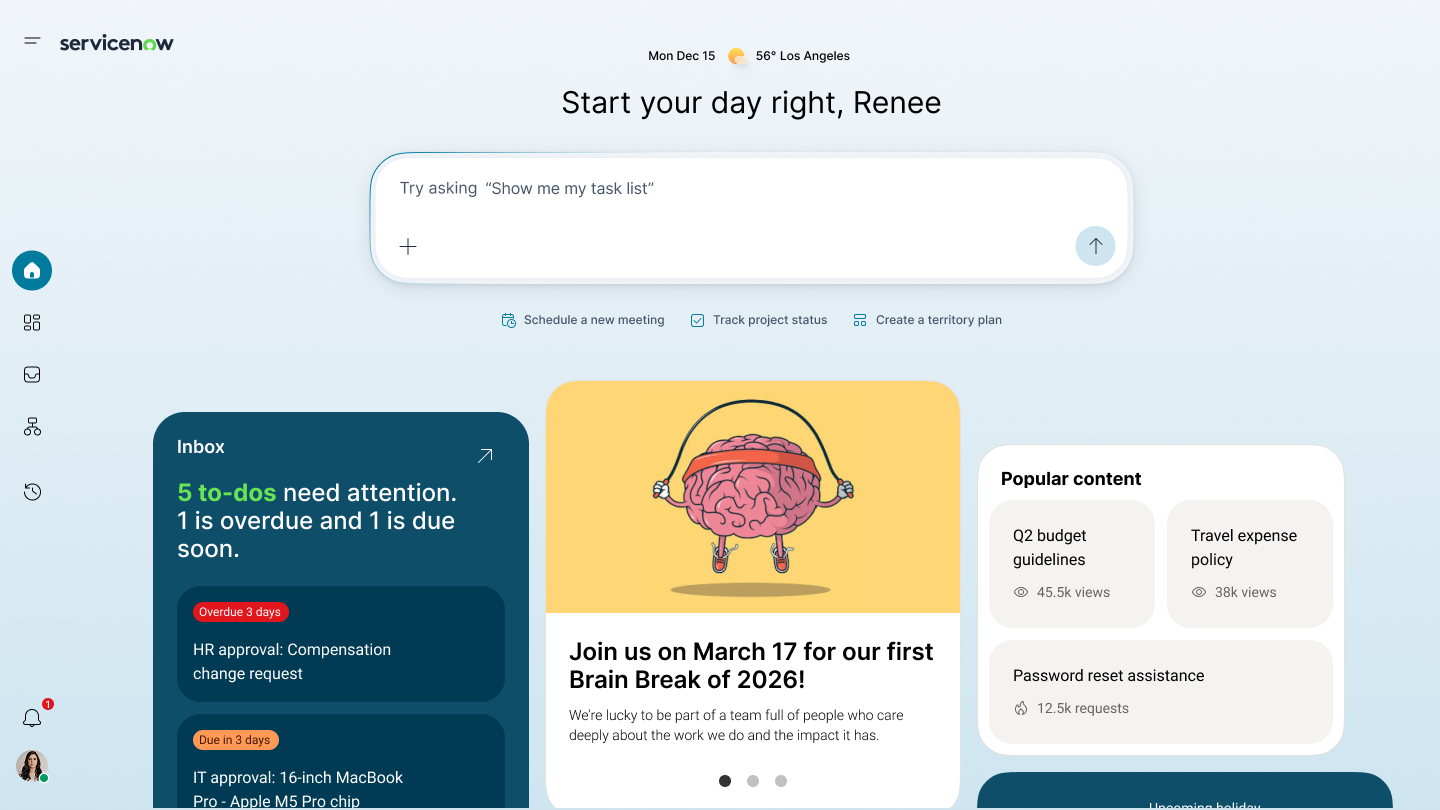
"I need a new laptop" should be enough. Instead, employees had to know which department, portal, service, catalog, form, and workflow to navigate — across 6+ systems — before they could act.
The system understood the enterprise. It didn't understand the employee.
We shifted from browse → find → submit to intent → understand → act — making conversation the front door to enterprise work.
Hands-on Design Leader | Experience Strategy | AI UX Systems | End-to-End Delivery | Executive Product Influence
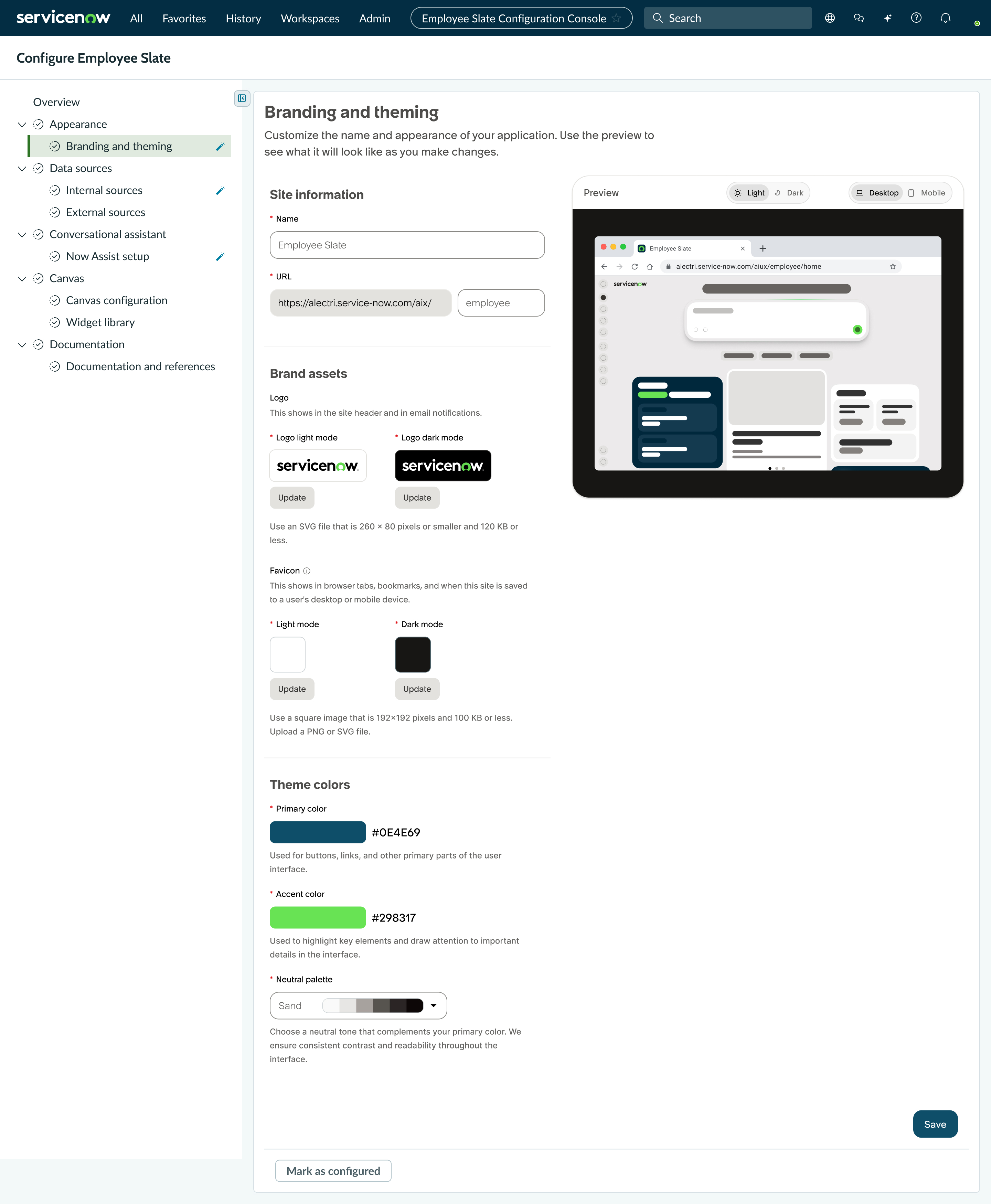
Configuring Employee Slate meant becoming a platform expert first.
Admins had to decode architecture, hunt across fragmented modules, chase documentation, and configure without a live preview — just to get Employee Slate ready for their workforce.
The platform knew how everything was connected. The admin didn't.
We shifted from platform-centric configuration → outcome-oriented setup — replacing fragmented tools with a guided, no-code playbook, clear progress, and live previews.
Hands-on Designer | Design Strategy | End-to-End Console Design
Employee Center assumed a desk. Millions of workers didn't have one.
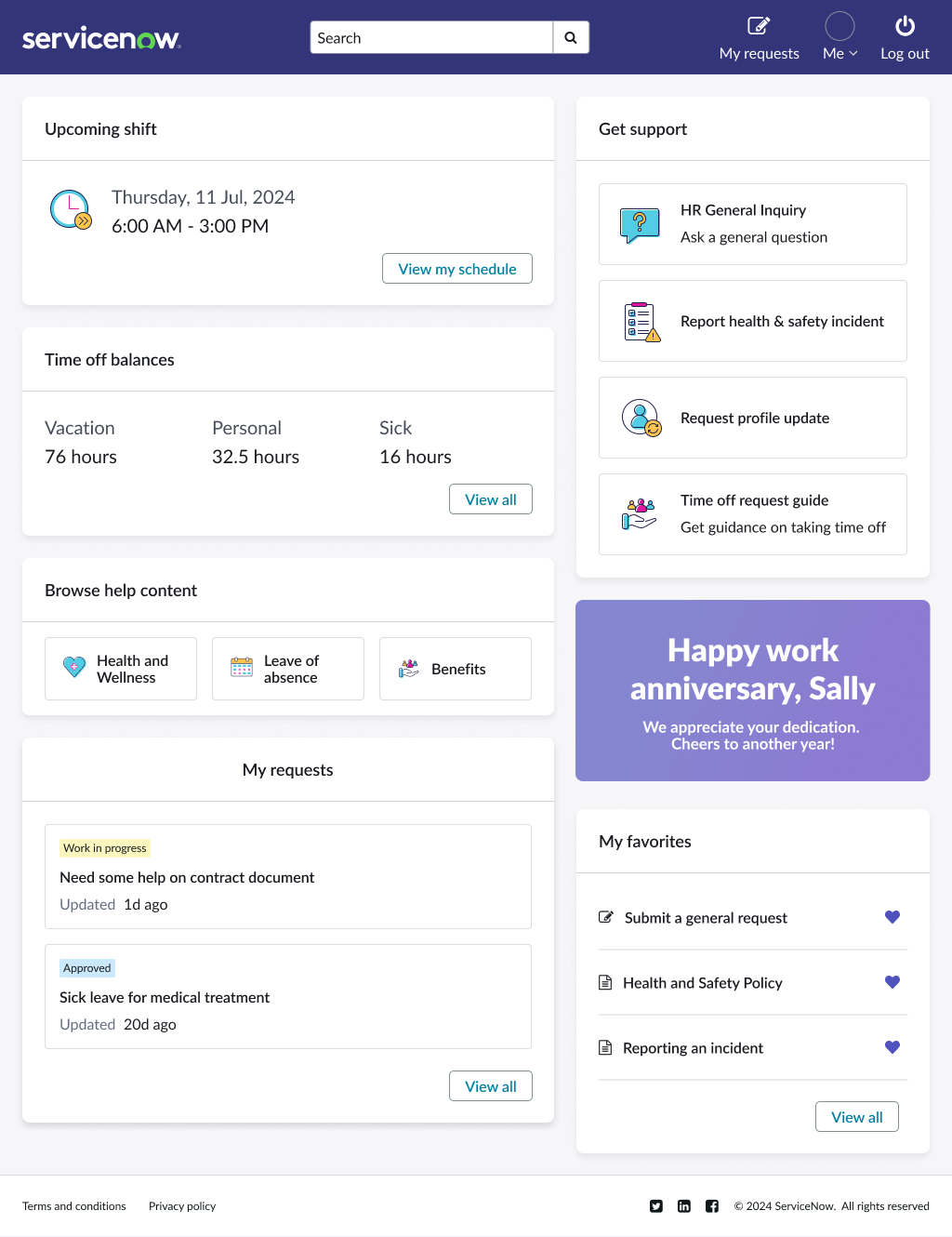
The experience was built for knowledge workers with personal devices and time to navigate. For workers in manufacturing, healthcare, warehousing, and FMCG, self-service meant shared devices, short sessions, and getting things done fast.
Adapting the portal wasn't the answer. The worker needed a different experience.
We shifted from portal-first → task-first — introducing badge-first access, instant task visibility, and zero-training interactions designed for brief, infrequent sessions on shared kiosk devices.
Hands-on Design Leader | Experience Strategy | Design Direction | End-to-End Design
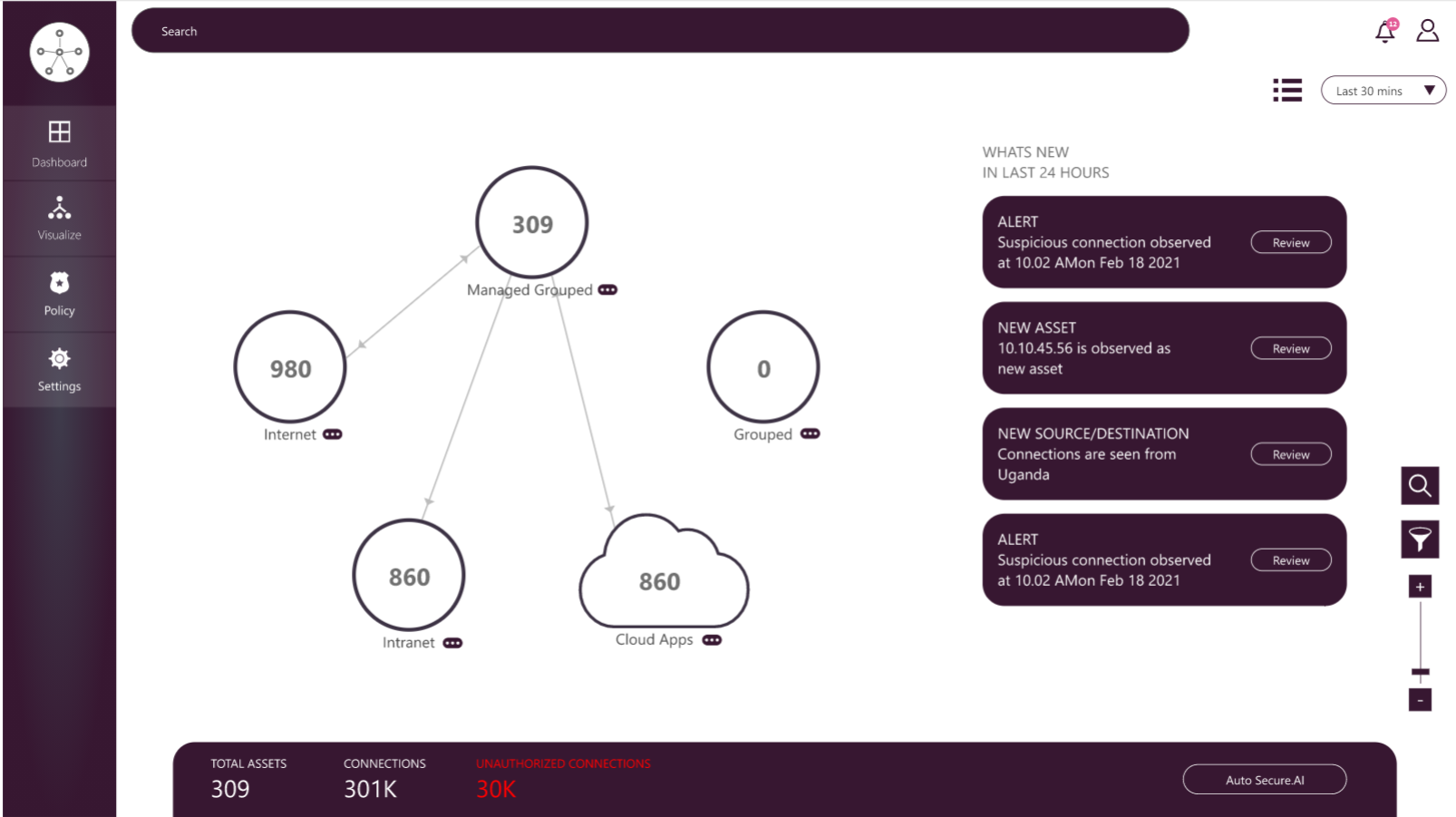
Security teams could see millions of connections. They couldn't see the threat.
Engineers were buried in connection logs, CLI-heavy tools, and fragmented data — making it difficult to understand how systems were connected, where threats were moving, or what would happen if they enforced a policy.
More data wasn't creating more confidence. It was creating hesitation.
We shifted from reading connections → understanding relationships — turning millions of records into a live network model that helped engineers See → Investigate → Understand → Validate → Enforce with confidence.
Hands-on Product Design | Founding Designer | Design Strategy | CPO/CEO Collaboration